Italy · Italy
Venice
Lagoon approaches, Saint Mark’s and carefully timed transit days.
If you only remember one thing
The one thing not to miss
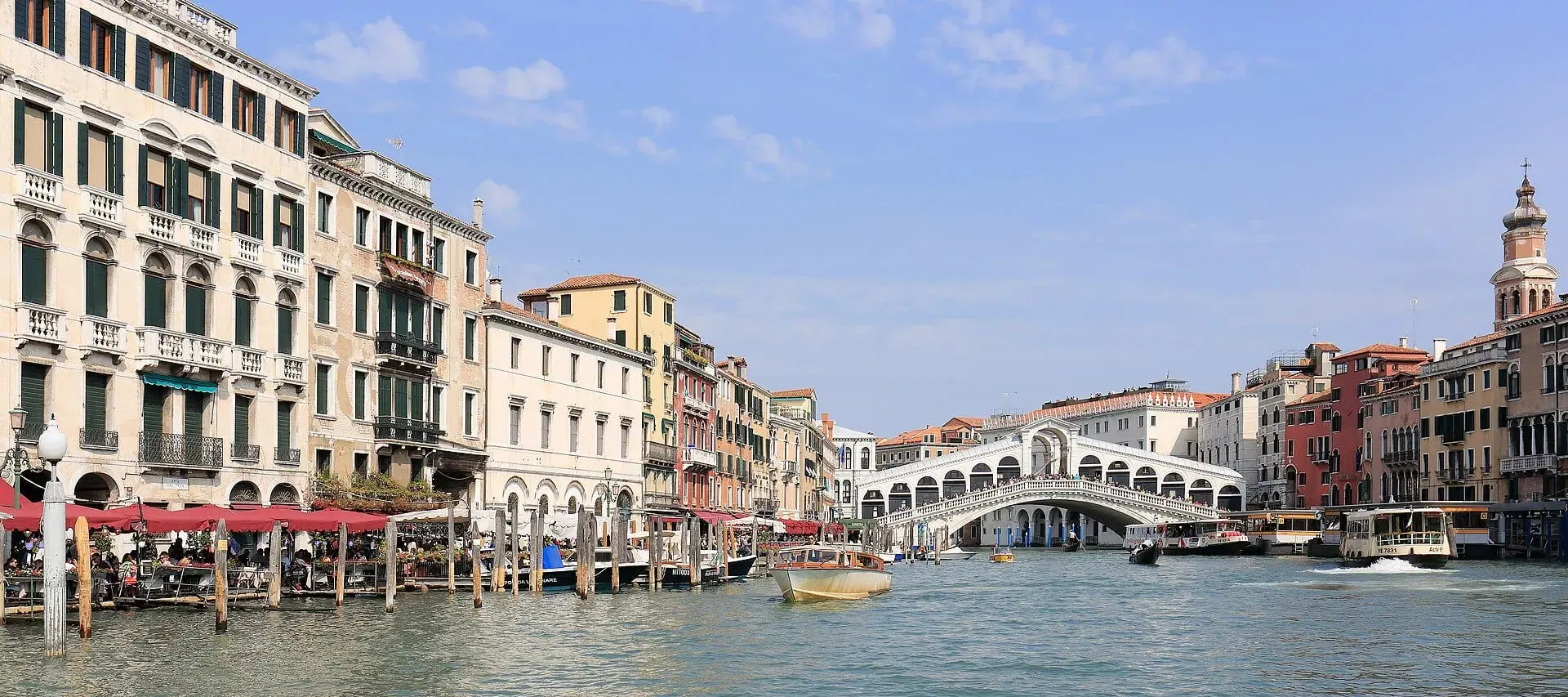
On a first call, Saint Mark’s and getting your bearings is enough. The lagoon crossing back to the ship is part of the day, not an afterthought.
A day ashore
Why Venice is worth the call
Rules and terminals change. Verify embarkation and lagoon logistics first.
One focused history stop beats racing the whole list on a single call.
Honest advice
Should you take a tour?
Yes: for most first visits
Venice is a long or tightly timed day for most first visits. Independent exploring works if you already know the buffer and will not chase two big stops.
Worth your hours
Plans that fit a shore day
These are the shapes of day that usually work from this harbour.
- Focused historic sites worth a structured half-day
- Private driver or guide when multi-stop timing matters
- Small-group tours with local pacing, without mass coaches
- One focused historic site with timed transport
Making the most of the call
If time is short
Historic sites here usually mean queues, tickets and a walk. That is already a day before you add a second stop.
Shoulder months (spring and early autumn) often feel less crowded. Peak July–August multiplies ships and heat, so book fixed-time experiences earlier.
Full product menus and bookable times live on veniceshoreexcursion.com. This page is for planning the day, not booking.
Before you step off
Cruise day logistics
Terminal & berth
Venice usually uses a cruise terminal or commercial berth. Shuttles and taxis may still separate you from the historic core, so budget transfer time.
Tender notes
Even docked ports can switch to tender in unusual conditions. Keep a simple rain plan and a digital all-aboard alarm.
Walking & heat
How close the harbour feels depends on berth assignment. Use destination-site meeting points rather than assuming a short promenade from every quay.
Quick answers
Before you plan the day
Is this easy independently?
It depends on your berth assignment and ambitions. Distant sites or tight calls are usually better with organised transport.
Is it a tender port?
Typically docked, though ships can switch to tender in unusual conditions. Always re-check day-of.
What is the main risk of the day?
Trying to stack two major sites and discovering traffic or tickets ate the afternoon.
Continue planning
Nearby ports and next steps
Ports often paired with Venice on wider Mediterranean itineraries.